
3828: Blood Tests That Detect Early Cancer
July 30, 2026
3828: Blood Tests That Detect Early Cancer
July 30, 2026
TT:
Early detection can make a significant difference when it comes to cancer.
While there is no single blood test that can detect every type of cancer, advances in biomarker testing are providing new tools that may help identify potential concerns earlier.
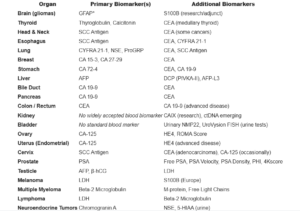
In today’s episode, I break down the blood markers and biomarkers that may be used to assess cancer risk, identify potential warning signs, and monitor certain types of cancer.
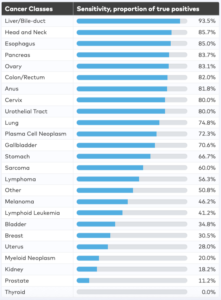
We’ll explore how these markers can detect signals from tumor cells, changes in surrounding tissues, or responses from the immune system. I’ll also discuss how the effectiveness of these tests varies depending on the type of cancer and why combining appropriate blood work with imaging and other diagnostic tools may provide a more complete picture.
So join me on today’s Cabral Concept 3828 to discover which blood tests may help detect cancer earlier and why early detection is such an important part of proactive health care.
Show Highlights & Big Takeaways
1. There is No Single Blood Test That Detects Every Cancer:
Different cancers produce different biomarkers, and the sensitivity of these tests varies widely. Blood testing can be one piece of a broader early-detection strategy.
2. An Abnormal Cancer Marker Does Not Automatically Mean you Have Cancer:
Markers can be elevated for reasons unrelated to cancer, including pregnancy, smoking, inflammation, or other health conditions. Abnormal results should be evaluated by a healthcare professional and followed up with appropriate diagnostic testing.
3. Early Detection is the Key Focus:
The earlier cancer is identified, the sooner appropriate evaluation and treatment can begin. Using available tools, including appropriate blood work and imaging, may help identify potential concerns earlier and allow you to work with your healthcare team to determine the next steps
Links From This Episode
Resource Links
Dr. Cabral’s Most Popular Lab Tests
- Complete Minerals & Metals Test
- Complete Candida, Metabolic & Vitamins Test
- Complete Stress, Mood & Metabolism Test
- Complete Stress, Sleep & Hormones Test
- Complete Food Sensitivity Test
- Complete Omega-3 & Inflammation Test
- Complete Gut Bacteria & Parasite Test
- Comprehensive “Big 5” Lab Tests
- View all Functional Medicine lab tests
