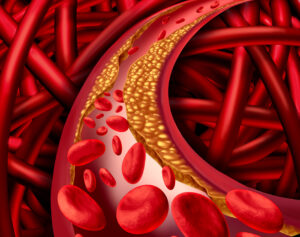
Most People Are Using the Wrong Type of Collagen
After age 25, your body begins producing less collagen each year.
By your 40s, collagen production declines by as much as 1% per year.
This reduction is what then shows up as:
- fine lines
- looser skin
- weaker nails
- thinner hair
- and reduced joint resilience
Collagen makes up roughly one-third of the total protein in your body.
It forms the structural framework of your skin, joints, ligaments, tendons, and connective tissues.
It’s what keeps skin firm, hydrated, and elastic.
While your body can produce collagen naturally, it requires adequate levels of:
- Vitamin C (a required cofactor in collagen synthesis)
- Zinc (essential for tissue repair)
- Glycine, proline, and hydroxyproline (key structural amino acids)
The challenge is that as we age, synthesis slows, even with adequate nutrition.
This is where targeted supplementation can make a measurable difference.
Not All Collagen Is Created Equal
Not all collagen is absorbed and utilized in the same way.
You’ll typically see three different forms:
- Gelatin
This is the least processed form. It’s what you get when you simmer bones to make traditional bone broth. It’s thicker and forms a gel when cooled. - Collagen (standard form)
This is the full collagen protein before further breakdown. - Hydrolyzed Collagen Peptides
This is collagen that has been broken down into smaller amino acid chains for easier digestion and absorption.
For most people looking to support skin elasticity, hydration, joint comfort, and overall healthy aging, hydrolyzed collagen peptides are the best option.
They are lighter, easier to absorb, and more practical to use daily. You can mix them into smoothies, coffee, tea, or oatmeal without altering texture.
What The Collagen Studies Show

Collagen peptides have been shown to:
- Increase skin elasticity in as little as 8 weeks
- Improve skin hydration and dermal density
- Reduce wrinkle depth around the eyes
- Stimulate fibroblast activity (the cells responsible for producing collagen and elastin)
- Support joint comfort and connective tissue resilience
In one human trial, just 2.5 grams per day of specific collagen peptides significantly improved skin elasticity compared to a placebo after 8 weeks, with continued improvements at 12 weeks.
These peptides have been shown to stimulate fibroblasts in the dermis, encouraging your body to produce more of its own collagen, elastin, and hyaluronic acid.
This is critical.
You’re not just “adding collagen” to your skin.
You’re sending a signal to upregulate your body’s own collagen production.
Most benefits are observed with consistent daily intake in the 2.5–10 gram range over 8–12 weeks.
And importantly, hydrolyzed collagen peptides are the form used in the majority of clinical research because their smaller molecular size allows for better absorption compared to intact collagen or gelatin.
How I Use Collagen Every Day
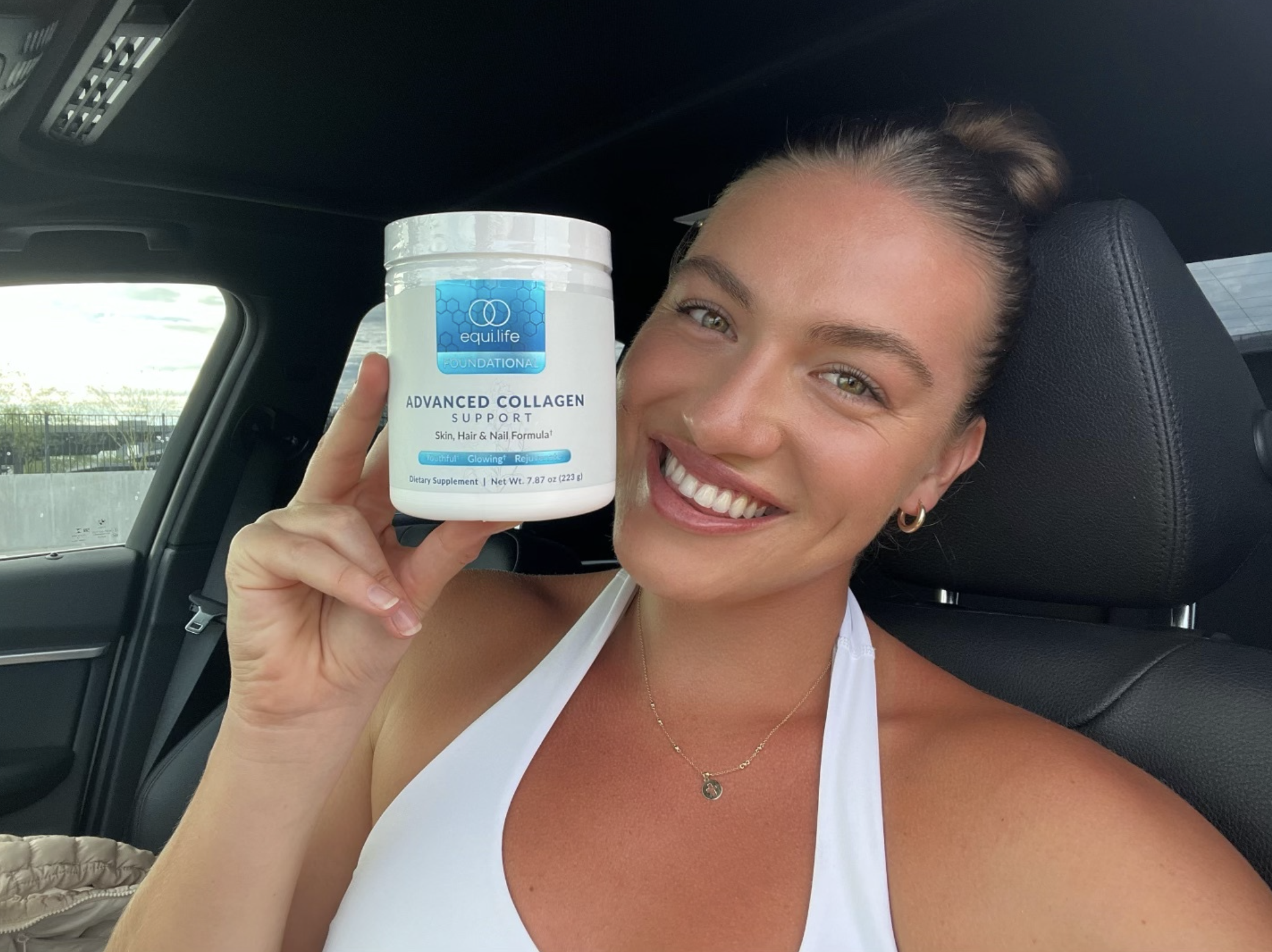
I formulated a product called Advanced Collagen Support.
My team and I used clinically-studied collagen peptides designed specifically for skin elasticity and connective tissue integrity. And we made sure to use the exact effective dose shown in research (as we do with all of EquiLife’s products).
It mixes easily into smoothies, coffee, or tea, and is designed for optimal absorption.
Personally, I like to add it to my coffee or smoothie in the morning, and this allows me to get my daily dose of collagen.
If your goal is healthier-looking skin, stronger hair and nails, and long-term joint resilience, using the right form of collagen matters more than large doses of the wrong one.
You can learn more about Advanced Collagen Support here:
- StephenCabral.com/Collagen
- Code: COLLAGEN15 for 15% off